Senator Kennedy Confronts Ex-FBI Director James Comey in Fiery Senate Hearing
WASHINGTON — Sparks flew in the Senate this week as Senator Kennedy launched a relentless series of questions at former FBI Director James Comey, leaving witnesses and colleagues stunned. The confrontation, described as “fiery” by multiple attendees, quickly went viral online and has dominated political headlines.
The hearing, convened by the Senate Judiciary Committee, focused on federal law enforcement oversight and the FBI’s handling of politically sensitive investigations during Comey’s tenure. Kennedy, a rising conservative voice in the Senate known for his aggressive questioning style, wasted no time putting Comey on the defensive.
“Director Comey, your actions during your tenure raised serious concerns about impartiality and accountability,” Kennedy stated firmly. “The American people deserve answers — not vague statements or excuses — about how high-profile investigations were managed under your watch.”
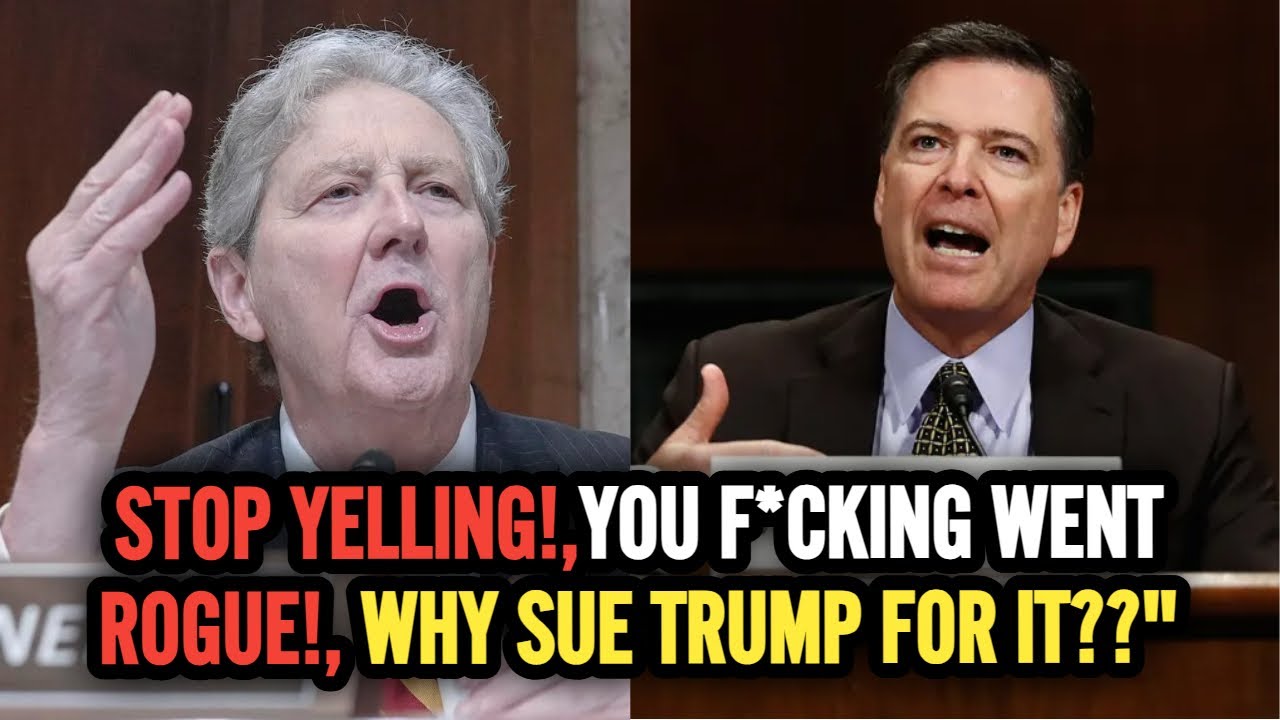
Comey attempted to maintain his measured demeanor, emphasizing the FBI’s independence and adherence to protocol. However, Kennedy pressed relentlessly, highlighting what he described as inconsistencies in Comey’s past testimony, public statements, and internal communications.
“You’ve admitted to leaking sensitive information and influencing political narratives,” Kennedy continued. “Do you expect Congress or the American people to believe these actions were anything other than politically motivated?”
The exchange grew increasingly intense as Kennedy systematically challenged Comey on multiple decisions during investigations that became central to national discourse. Members of both parties reacted visibly, with some leaning forward in surprise and others whispering to colleagues, clearly engaged by the tension in the room.
The hearing quickly made headlines and went viral on social media. Clips were shared widely under tags like “Kennedy Destroys Comey in Senate Hearing” and “Ex-FBI Director Under Fire.” Conservative commentators praised Kennedy for holding Comey accountable, framing the hearing as a long-overdue reckoning. Meanwhile, Comey supporters accused Kennedy of political grandstanding and turning a factual inquiry into a spectacle designed for media attention.

Political analysts note that the confrontation underscores ongoing tensions between congressional oversight and high-profile federal officials. “Kennedy’s approach was precise and calculated,” said Dr. Karen Whitfield, a political communications expert. “He framed his questions to emphasize accountability and credibility, forcing Comey to defend his past decisions under intense scrutiny.”
Although the hearing concluded without immediate legal consequences for Comey, the political fallout is expected to continue. Debates about FBI transparency, political bias, and the responsibility of federal law enforcement leaders have intensified in the aftermath of the confrontation.
For Senator Kennedy, the hearing reinforced his reputation as a relentless interrogator willing to challenge even the most experienced figures. For Comey, it served as a reminder that years after leaving office, former officials remain under congressional scrutiny and public attention.
The exchange also highlights the broader dynamic of modern American politics, where hearings are not only forums for oversight but also platforms that can shape public perception and influence national discourse. As this confrontation demonstrates, in today’s political climate, even the most seasoned officials are not immune from scrutiny — especially when faced with a determined lawmaker like Senator Kennedy.
