MTG Just Played a Clip That Made Democrats Go SILENT
A fiery moment unfolded on Capitol Hill this week when Republican Congresswoman Marjorie Taylor Greene (MTG) stunned a House committee by playing a video clip that, according to her, exposed hypocrisy and double standards within the Democratic Party. The moment quickly went viral, leaving Democrats visibly uncomfortable and sparking a heated debate across social media and cable news outlets.
During a tense congressional hearing on government accountability, Greene requested to play a short video as part of her allotted questioning time. The clip, which she described as “proof of what Democrats don’t want the American people to see,” featured a montage of statements made by prominent Democratic leaders during the 2020 election cycle. In the footage, several Democrats — including President Joe Biden and top congressional figures — were shown questioning election integrity, objecting to certification processes, and calling for investigations into past elections.

As the clip rolled, the room grew noticeably tense. Several Democratic members attempted to interrupt or object, but the chair allowed Greene to continue. When the lights came back on, Greene leaned into her microphone and declared, “So when you question elections, it’s called defending democracy — but when Republicans do it, it’s called insurrection?” The statement drew applause from some Republican colleagues and murmurs from others in the chamber.
The reaction was immediate. Conservative media outlets praised Greene for “turning the tables” on Democrats and forcing them to confront their own past rhetoric. On X (formerly Twitter), the hashtag #MTGClip trended for hours, with users sharing snippets of the video and calling the moment “political gold.” Supporters argued that Greene had exposed years of double standards in how Democrats and the mainstream media treat claims of election irregularities.
Democrats, however, pushed back hard. Several members of the committee accused Greene of spreading misinformation and taking old footage out of context. One Democrat called the clip “propaganda designed to distract from Trump’s legal troubles,” while another labeled it “a bad-faith attempt to rewrite history.” Critics argued that Greene’s comparison between Democratic objections in 2016 and the events of January 6, 2021, was misleading, pointing out that no Democratic lawmaker incited violence or attempted to stop the peaceful transfer of power.
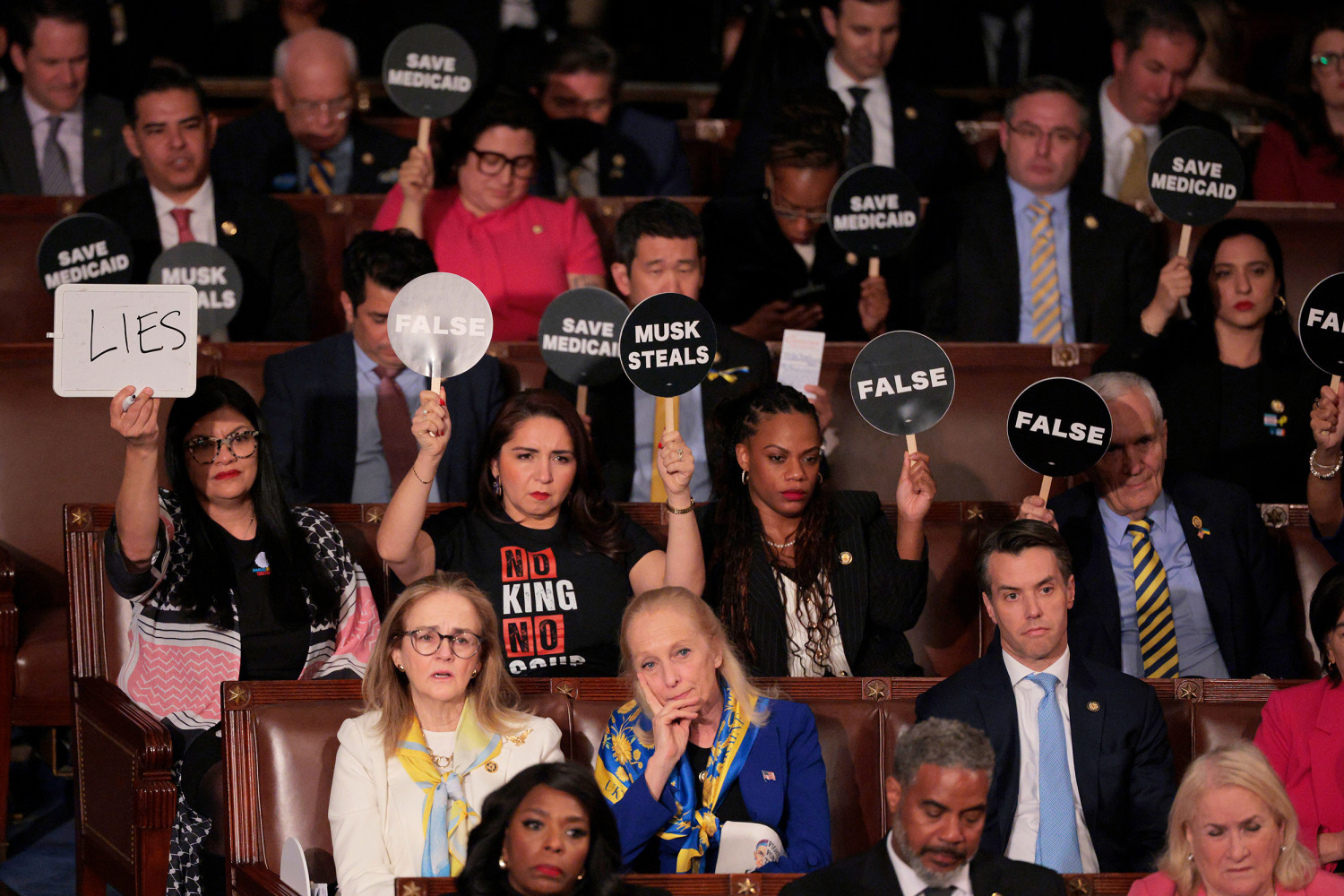
Still, the viral moment achieved what Greene likely intended: it dominated the political conversation. By the end of the day, conservative talk shows, podcasts, and social media influencers were replaying the clip and discussing how Democrats appeared “speechless” during the hearing. Even some independent commentators acknowledged that the footage highlighted uncomfortable truths about selective outrage and political memory in Washington.
This episode underscores Greene’s growing ability to shape political narratives despite her controversial reputation. Love her or loathe her, she knows how to command attention — and in today’s media-driven politics, attention is power. Whether the clip will have lasting political consequences remains to be seen, but in that moment, Greene achieved something rare in Washington: she made her opponents go silent.
