Jimmy Kimmel Says He’s the Real Victim After Backlash Over Charlie Kirk Remarks
In the aftermath of conservative activist Charlie Kirk’s assassination, late-night host Jimmy Kimmel has found himself at the center of a growing controversy — not for the crime itself, but for how he chose to comment on it. Now, in a surprising turn, Kimmel claims that he has become a “real victim” of the political and media fallout that followed his remarks.
Kirk was fatally shot on September 10, 2025, during a speaking engagement at Utah Valley University. The accused shooter, 22-year-old Tyler Robinson, was arrested shortly after, and investigators later tied him to threatening messages and DNA evidence at the scene. As the conservative world mourned the loss of one of its most prominent voices, Kimmel addressed the event on his show, leading to an unexpected wave of backlash.
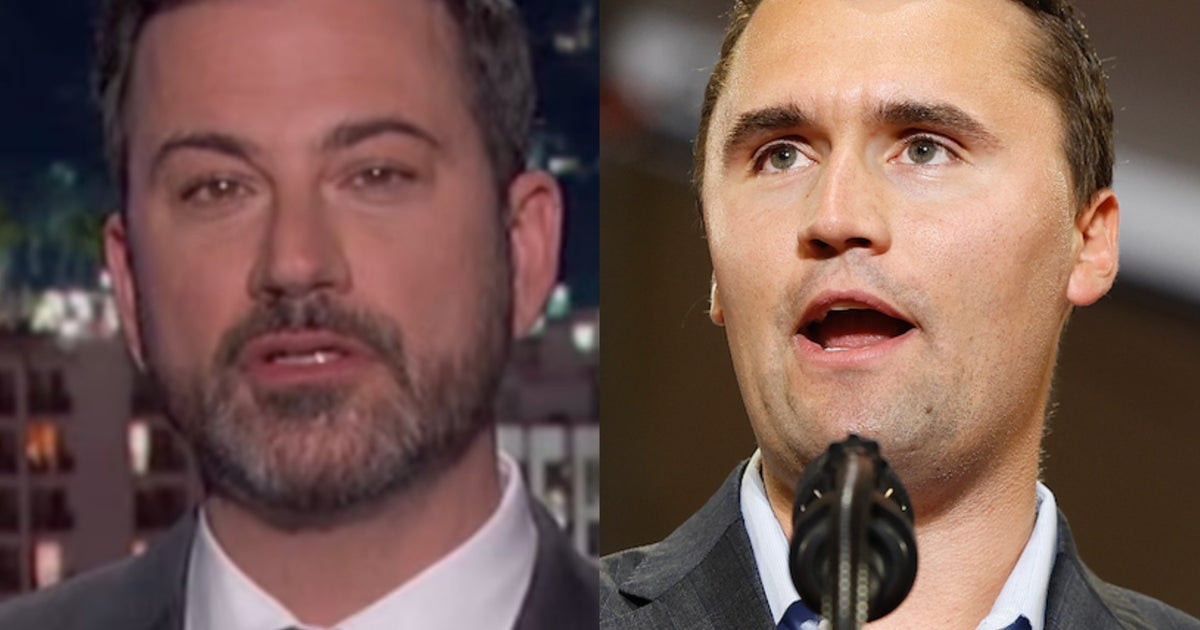
In a monologue aired just days after the assassination, Kimmel accused right-wing figures of trying to manipulate the narrative. “The MAGA gang is desperately trying to spin this tragedy for their own gain,” he said. His remarks were met with immediate condemnation. Several ABC affiliates, particularly those owned by Nexstar, refused to air the episode. Within 48 hours, ABC announced an indefinite suspension of Jimmy Kimmel Live! from its late-night programming.
While some applauded the network’s decision, others criticized it as censorship. After nearly a week off the air, ABC reinstated the show, and Kimmel returned with an emotional defense. “My comments were intentionally and maliciously mischaracterized,” he said. “I never mocked Charlie Kirk’s death. I criticized how it was being politicized — and now I’m the one being punished for it.”
Since then, Kimmel has doubled down, suggesting that he is, in fact, a “real victim” in this situation — not of violence, but of media manipulation and politically motivated attacks. He claims that powerful conservative voices twisted his words and launched a campaign to discredit him, turning public attention away from the crime and toward punishing a media figure who dared to speak up.

The response to Kimmel’s claim has been sharply divided. Critics argue that positioning himself as a victim — while Kirk’s family grieves and the public seeks justice — is both insensitive and self-serving. “This isn’t about Jimmy Kimmel,” said Andrew Kolvet, spokesperson for Turning Point USA. “It’s about the loss of a man who meant something to millions. Kimmel’s attempt to reframe the tragedy around himself is deeply out of touch.”
Others, however, believe Kimmel has a point. In an age of hyper-political discourse, even comedians are vulnerable to weaponized outrage. Supporters argue that Kimmel’s comments, while provocative, were aimed at how the tragedy was being spun — not at the victim himself.
Whether Jimmy Kimmel is truly a victim remains a matter of opinion. But his case highlights the volatile intersection of politics, media, and public mourning — where one wrong word can turn a commentator into a controversy.
