Jasmine Crockett Shuts Down Hysterical Republican After He Tried to Interrupt Her
Congresswoman Jasmine Crockett made headlines this week after a fiery exchange on the House floor, where she reportedly shut down a Republican colleague who attempted to interrupt her mid-speech. The confrontation, widely shared online, has been praised by supporters as an example of Crockett’s composure and commitment to standing her ground in the face of disruptive opposition.
The incident occurred during a debate on recent federal legislation, with Crockett speaking passionately about issues affecting her constituents, including voting rights, economic opportunity, and social justice reforms. According to observers, a Republican lawmaker repeatedly attempted to interject, questioning Crockett’s statements and attempting to derail her speech.
Rather than allow the interruptions to distract her, Crockett reportedly paused, fixedly addressed her colleague, and delivered a sharp rebuke: a clear assertion of her right to be heard. Witnesses describe the moment as electric, with the chamber falling silent before Crockett continued with her remarks, leaving her opponent visibly flustered. Clips of the exchange quickly went viral, drawing widespread attention across social media platforms, including hashtags such as #CrockettStandsTall and #RespectHerVoice.

Political commentators have highlighted the significance of the moment, noting that Crockett’s response reflects broader tensions in Congress, where partisan clashes often escalate into interruptions, shouting matches, and procedural challenges. “This was more than just a sharp retort,” said political analyst Rachel Torres. “It was a statement about the importance of maintaining civility, decorum, and respect, even in the most heated debates.”
Supporters of Crockett praised her composure and ability to handle the situation with dignity, framing her response as a model for female lawmakers, particularly women of color, who often face disproportionate scrutiny and interruption in political settings. Social media users echoed this sentiment, lauding Crockett for standing her ground and effectively silencing attempts to undermine her message.
Critics on the opposing side argued that the Republican’s interjections were part of standard debate procedures, claiming that Crockett’s response was theatrical. However, legal and procedural experts noted that members of Congress have the right to speak uninterrupted when recognized by the Speaker, and repeated attempts to disrupt a speech can be deemed inappropriate and disrespectful.
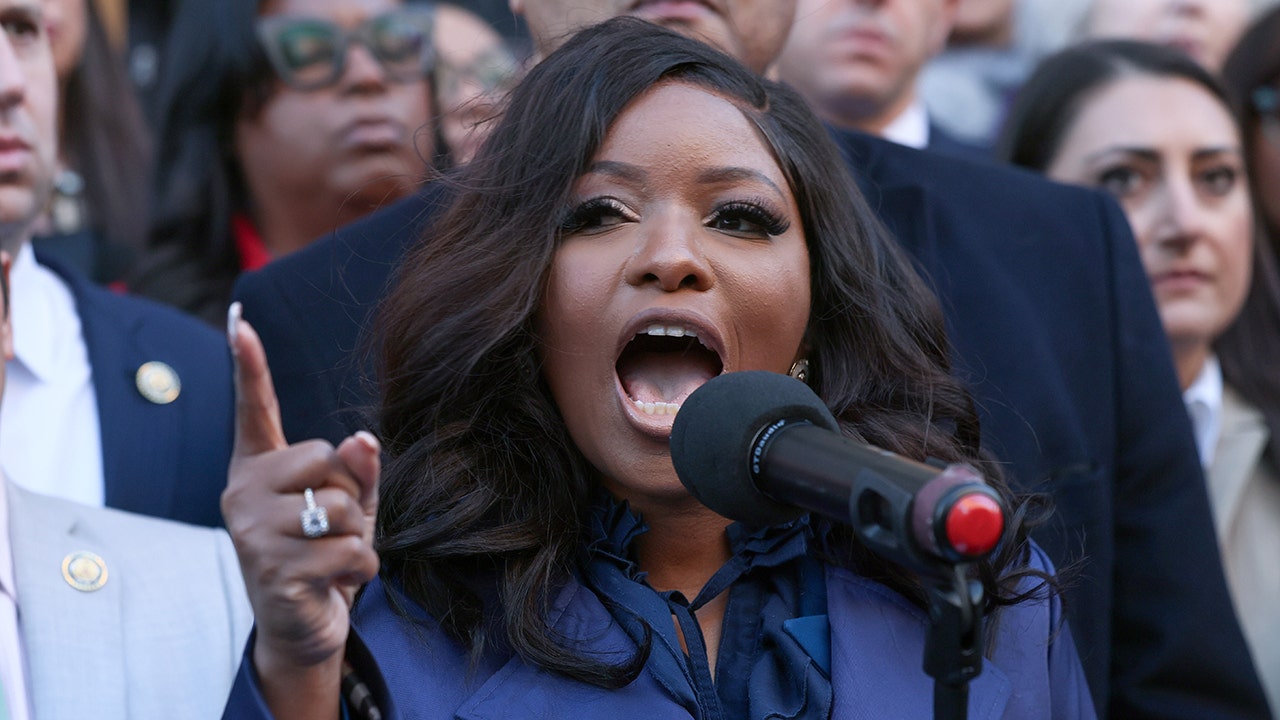
The exchange also underscores the importance of effective communication and composure in legislative settings. Crockett’s handling of the interruption not only allowed her to finish her speech without losing focus but also drew attention to the underlying issues she was addressing, ensuring that her message resonated with constituents and the wider public.
By the end of the session, the incident had already generated substantial media coverage, reinforcing Crockett’s image as a confident and assertive voice in Congress. Analysts predict that moments like this, combining firm rebuttals with strategic communication, can have lasting effects on both public perception and political momentum.
Ultimately, Crockett’s quick thinking and poised response serve as a reminder that in the high-pressure environment of legislative debate, strength, clarity, and composure are invaluable tools — and that sometimes, shutting down interruptions can be just as powerful as the speech itself.
