Gavin Newsom Panics After Getting Caught in Insane Viral Video
California Governor Gavin Newsom is once again facing a political storm after a series of viral videos captured him in several awkward and controversial moments, sparking nationwide criticism and questions about his leadership. What began as a single video confrontation with an angry resident has snowballed into a broader debate about Newsom’s authenticity, composure, and ability to handle pressure.
The uproar began when a video surfaced showing Newsom being confronted by an outraged Los Angeles resident during a visit to a neighborhood devastated by recent wildfires. The woman, whose daughter’s school had burned down, accused state officials of negligence, demanding to know why firefighters were left without adequate water pressure. Newsom, clearly uncomfortable, tried to diffuse the situation by claiming, “I’m literally talking to the president right now.” When the resident pressed him to prove it, it became obvious he wasn’t on the phone with anyone. His composure faltered, and within seconds he retreated into his SUV as the woman shouted after him. The clip, filmed by multiple bystanders, spread rapidly online, with critics saying it revealed the governor’s instinct to deflect and avoid confrontation rather than address constituents directly.
The confrontation immediately drew fierce backlash. Conservative commentators labeled the incident “Gavin’s meltdown,” while even some Democrats admitted the optics were terrible. One viral tweet read, “Newsom panicked and ran — this is what California leadership looks like.” The video reignited criticism that Newsom, long seen as polished and media-savvy, struggles when caught off script.

But this was hardly his first video scandal. Another clip resurfaced from a TikTok video Newsom posted during the pandemic, showing him inside a Fresno County restaurant at a time when indoor dining was prohibited under his own COVID-19 restrictions. His office quickly clarified that he was there to meet with restaurant owners, not to dine. However, the explanation did little to quiet public anger. Many Californians saw the moment as yet another example of hypocrisy, reminiscent of the infamous French Laundry dinner in 2020 when he was photographed dining maskless at an exclusive restaurant while urging residents to avoid gatherings. Social media exploded with comments like, “Rules for thee, not for Newsom,” and “He’s making TikToks while small businesses are dying.”
Political analysts argue that these repeated missteps have created a damaging pattern. “Newsom’s biggest problem isn’t policy — it’s perception,” said Democratic strategist Lisa Reynolds. “He keeps undermining his own credibility by looking entitled and detached.” In an age when every moment is captured on camera, even minor lapses can become defining symbols of arrogance or dishonesty.
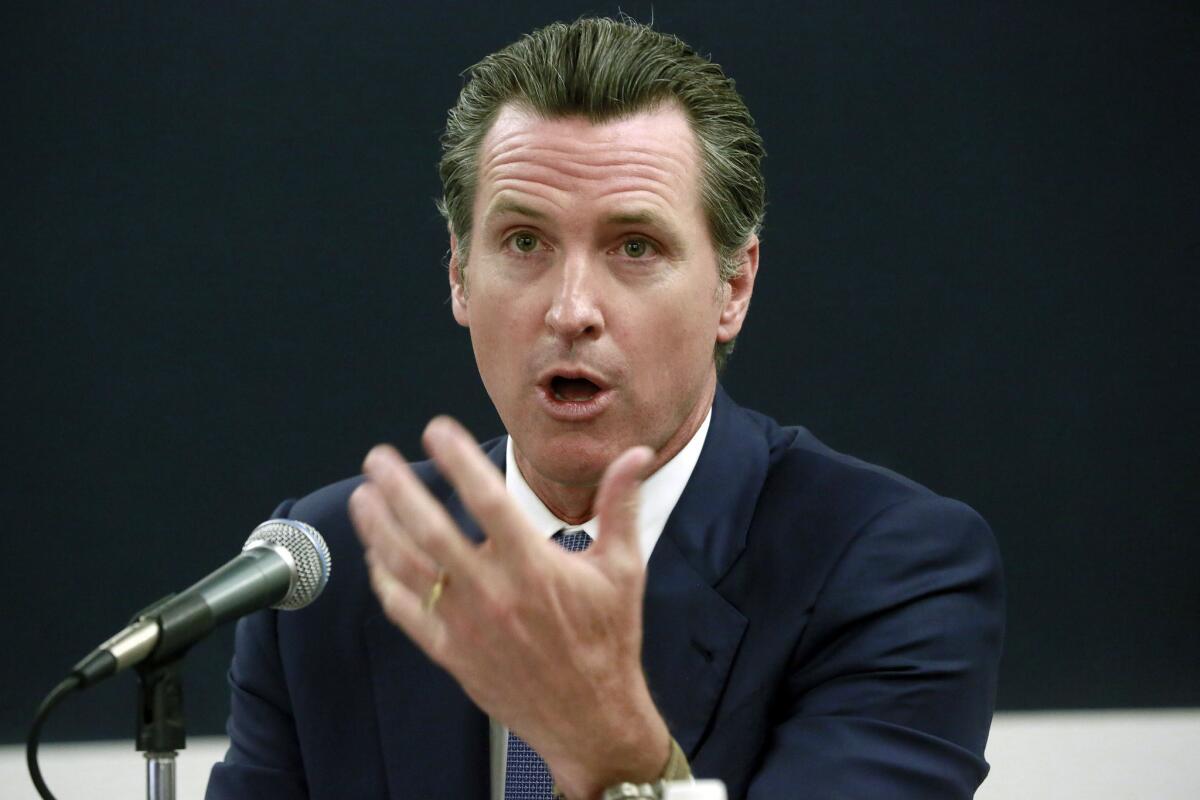
The controversy deepened further after a strange video from a recent press conference began circulating online. During a live briefing on California’s wildfire crisis, Newsom appeared to sway from side to side, close his eyes repeatedly, and display exaggerated facial expressions. Viewers flooded social media with comments questioning his state of mind. Some speculated that he was exhausted, while others mocked his demeanor as “bizarre” or “unhinged.” The New York Post called it a “jittery, uncomfortable display,” and a clip of the moment was viewed millions of times across TikTok and X. While no credible evidence suggested any health issues, the visual impression added to the narrative that Newsom was rattled and struggling to maintain control under mounting pressure.
The governor’s communications team quickly went into damage-control mode, releasing statements that attempted to explain the incidents. Spokespeople described the wildfire confrontation as “a highly emotional exchange in a stressful environment” and insisted that Newsom was “doing his best to de-escalate.” Yet critics dismissed those explanations as spin. Conservative outlets accused him of “dodging accountability,” while liberal commentators worried the videos might reinforce Republican talking points about Democratic elitism and hypocrisy.
The timing could not be worse for Newsom, whose national ambitions have been the subject of speculation for months. As one of the most visible Democratic governors in the country, he has been quietly positioning himself as a potential future presidential contender. He has openly sparred with Republican governors like Ron DeSantis and Greg Abbott, framing himself as a progressive counterweight to the GOP’s culture warriors. But every viral controversy threatens that image, painting him instead as a politician prone to deflection, image obsession, and privilege.
Beyond the personal embarrassment, these viral moments reflect a deeper frustration among Californians. The state continues to face immense challenges: record homelessness, high living costs, worsening wildfires, and growing public fatigue with government inefficiency. For many, these videos symbolize more than just poor optics — they represent a governor disconnected from everyday struggles. As journalist Mark Barabak noted, “Newsom is brilliant at scripted messaging, but when he’s caught off guard, his instinct is to dodge instead of engage — and that comes off as panic.”
While Newsom still enjoys broad support among California Democrats, his approval ratings have softened, and each viral episode chips away at his carefully constructed image of confidence and control. Political observers warn that if he hopes to maintain his national viability, he must show greater authenticity and humility. “People forgive mistakes,” one strategist said, “but they don’t forgive arrogance or evasion.”
In the end, the string of viral videos has become a test of Gavin Newsom’s political durability in the age of instant outrage. Whether it’s his awkward confrontation with a wildfire victim, his questionable COVID-era restaurant visit, or his strange body language on live TV, the pattern is clear: when pressure mounts, Newsom often reacts defensively, feeding perceptions of panic. In today’s media environment, perception can be just as powerful as policy — and for Newsom, every camera is now a mirror reflecting both his strengths and his most human flaws.
