Joe Rogan Grows Uneasy Over Candace Owens’ “Receipts” on Charlie Kirk
The internet has erupted in debate after Joe Rogan appeared visibly uneasy about Candace Owens’ explosive claims surrounding the death of conservative activist Charlie Kirk. Owens, known for her bold and often controversial commentary, recently released what she calls “receipts” — screenshots, messages, and alleged documents — suggesting that Kirk faced immense pressure from powerful donors and pro-Israel interests in the days leading up to his death. Rogan, while open to discussing the issue, admitted that something about the entire situation “feels off.”
Owens’ allegations have reignited fierce divisions within conservative circles. According to her, Kirk — founder of Turning Point USA — had expressed to close associates that he was reconsidering his pro-Israel stance less than 48 hours before he died. She claims to have obtained evidence showing that several major donors were withdrawing support and that internal communications from Kirk’s team reveal growing tensions over foreign policy positions. Owens insists that these details point to “a larger truth” that mainstream outlets are refusing to investigate.

Rogan, however, has taken a more cautious tone. On his podcast, he acknowledged the intrigue surrounding Owens’ evidence but stopped short of endorsing her theory. “It’s definitely weird,” Rogan said, “but weird doesn’t always mean conspiracy. We have to be careful about connecting dots that might not belong together.” His comments highlight a growing concern about how rapidly conspiracy narratives can spread — especially when they originate from influential online figures.
In recent weeks, Owens has doubled down, using her own podcast and social-media platforms to demand transparency about Kirk’s final communications and to call for the release of donor names allegedly linked to his organisation’s internal conflicts. She argues that the official story of Kirk’s death “doesn’t add up,” and that the public deserves answers. Critics, however, accuse her of exploiting a tragedy for attention and clicks. Kirk’s pastor and several of his allies have publicly condemned Owens for “spreading baseless conspiracies” that hurt his family and distort his legacy.
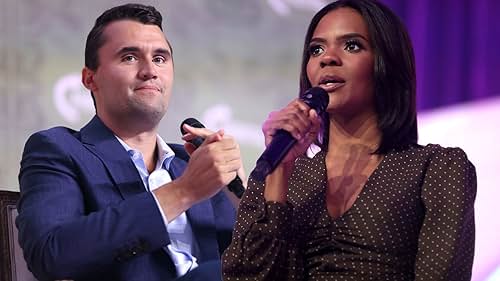
Rogan’s hesitation has made him an unlikely voice of moderation amid the chaos. While he often hosts controversial guests and explores taboo topics, his measured approach in this case signals a warning to his audience: not every “receipt” equals proof. “When you’re dealing with private messages, screenshots, and secondhand accounts,” he said, “you have to think about context. It’s easy to build a story that feels convincing but falls apart under scrutiny.”
The ongoing feud between Owens and Rogan reflects a larger cultural moment in the post-truth media landscape. Influencers now wield more power than many news outlets, and their followers often treat online “evidence” as irrefutable fact. Rogan’s discomfort underscores the tension between promoting free inquiry and preventing misinformation from taking root.
For now, Candace Owens continues to push her narrative, insisting that she is exposing hidden political forces behind Charlie Kirk’s death. Joe Rogan remains skeptical — intrigued but unconvinced. As he put it, “Something’s off here. But until we see real, verifiable proof, all we’ve got are questions.”
