Candace Owens Snaps on Ben Shapiro in Heated Debate About Charlie Kirk
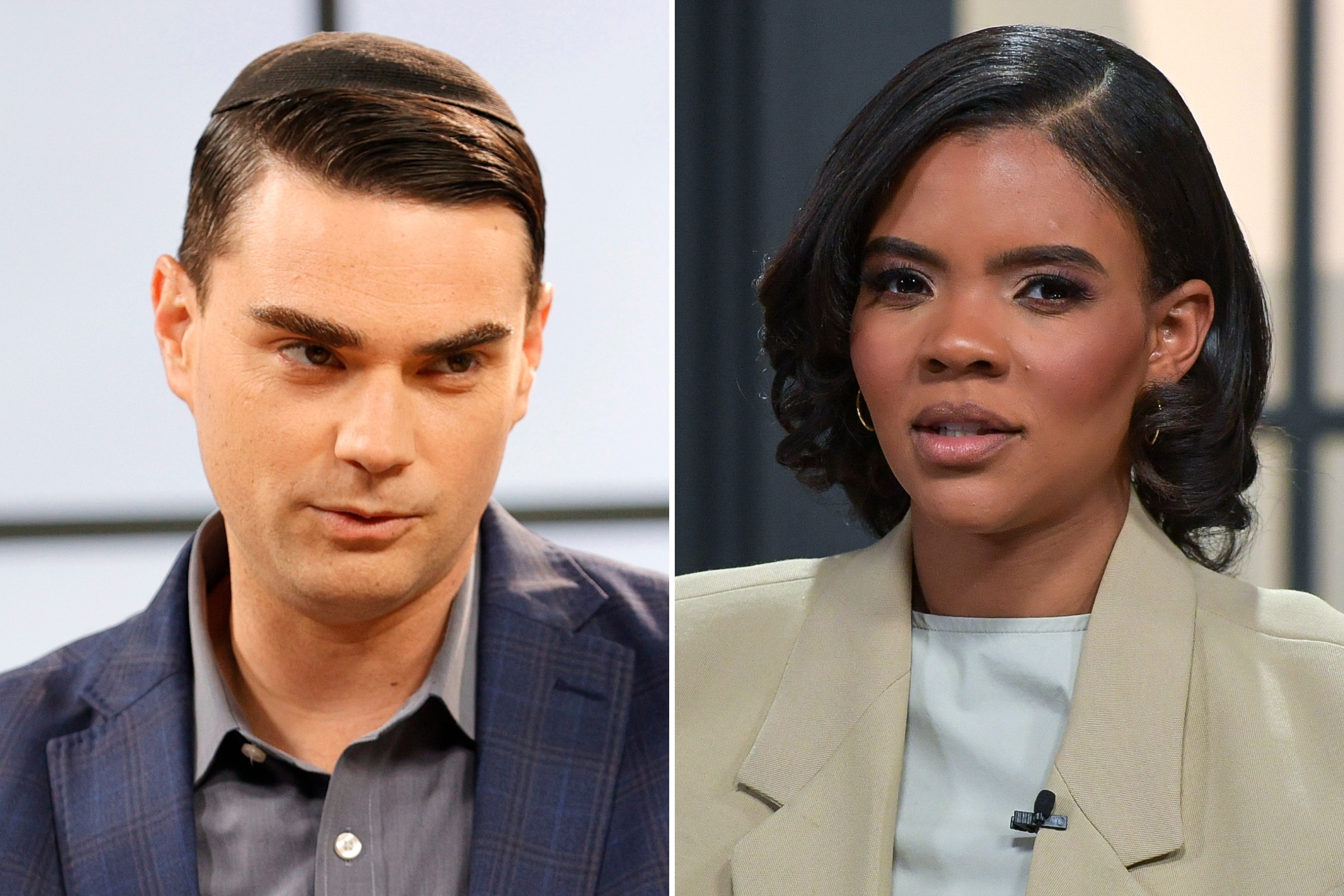
Political commentator Candace Owens and conservative pundit Ben Shapiro faced off in a surprisingly fiery debate this week, and tensions reached a boiling point when the conversation turned to Charlie Kirk and his role in the conservative movement. What started as a discussion about strategy and influence quickly escalated into one of the most talked-about exchanges among conservative circles in recent months.
The debate, streamed live on a popular political platform, began with Shapiro critiquing Kirk’s approach to political activism. He questioned whether Kirk’s methods were effective in shaping public policy or merely focused on generating attention and fundraising. Shapiro’s critique, while measured at first, became increasingly pointed, drawing a sharp response from Owens.
Owens, visibly frustrated by the line of questioning, snapped back: “Ben, I’ve had it with this constant undermining! Charlie Kirk has done more to engage young people in politics than a lot of people on this panel combined. You’re missing the bigger picture!” Her words echoed across the studio, capturing the attention of viewers and quickly going viral online.
The exchange highlighted a broader tension within the conservative movement: the debate over style versus substance. Shapiro, known for his measured and policy-focused approach, emphasized the importance of traditional strategy and careful messaging. Owens, however, argued that mobilizing youth and creating energy around conservative causes is equally — if not more — important, especially in an era dominated by social media influence.
Fans of Owens celebrated her response, praising her for standing up to what they saw as a condescending critique from Shapiro. Social media erupted with clips of the moment, with hashtags such as #OwensSnaps and #CharlieKirkDefense trending across multiple platforms. Many commentators highlighted the intensity of Owens’ passion as evidence of her dedication to the conservative cause, particularly in engaging younger generations.
Shapiro, meanwhile, maintained his composure but acknowledged that Owens made a valid point. “I get it,” he said during the debate. “Mobilizing young people is critical, but we also need to ensure our messaging doesn’t alienate potential supporters.” Owens countered that Shapiro’s focus on tone and caution sometimes overlooks the impact of outreach and grassroots activism.

Analysts note that this debate is indicative of the evolving dynamics within American conservatism. Generational divides, media strategy, and differing approaches to advocacy often collide, creating moments of tension even among high-profile allies. Owens and Kirk’s focus on energy and engagement often contrasts with Shapiro’s emphasis on careful reasoning and policy nuance.
By the end of the debate, the discussion had shifted back to policy, but the viral moment between Owens and Shapiro had already captured the spotlight. Clips of Owens’ passionate defense of Kirk have been widely shared, cementing her reputation as a formidable and outspoken voice in conservative media.
Ultimately, the confrontation underscores how debates within the conservative movement are not just about ideas but also about strategy, style, and influence. Owens’ “snap” at Shapiro highlights the high stakes in shaping the future of the movement, where personality, energy, and messaging intersect in real-time on national platforms.
